Diesel fuel powers long-distance trucks, freight locomotives, boats and barges, farm machinery, construction and mining equipment, and backup generators. Its concentrated energy powers efficient engines that can haul heavy loads and refuel machines quickly. Those are all excellent attributes for long periods of heavy work on the move or in locations not connected to the electricity grid.
So when diesel prices hit record highs, as they have, that increases the costs of essentials like food, transportation and even other energy sources. On Sept. 14, 2026, the U.S. Energy Information Administration said national average diesel prices were US$6.52 a gallon, which is up more than 23 cents – 3.6% – from a week earlier, and up nearly $2.78 – 74% – since the same week in 2025.
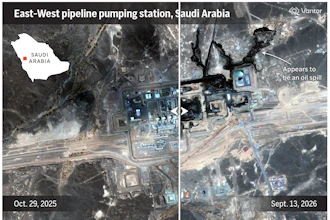
The U.S. war with Iran, and to a lesser extent the Russian war with Ukraine, have disrupted oil production, refinery output and petroleum supply chains across the world, which are part of my field of study on how geopolitical friction reshapes global supply chains. These conflicts have gone on long enough now – more than six months between the U.S. and Iran, and more than a four years of direct battle between Russia and Ukraine – that most companies and countries have run out of any extra supplies they might have had on hand.
The near-complete closure of the Strait of Hormuz has dramatically reduced the flow of crude oil across the world – a raw material necessary for producing gasoline, diesel, jet fuel and heating oil. Ukrainian attacks on Russian refineries, which have intensified through 2026, have restricted the flow of Russian diesel to the global market.
Put together, all this means that there's not much diesel fuel left lying around, and lots of people want to buy what is available, as well as what little is produced each day. It's all a matter of supply and demand. If demand remains constant and supply drops, prices rise. The effects of rising prices are broad and widespread both economically and geographically.
Food and retail
Farming and harvesting are seasonal operations that depend heavily on diesel-powered equipment. When farmers face high fuel costs, they may restrict or postpone their planting and harvesting operations, which means less food is produced for sale to markets and customers.
Higher diesel costs also translate into higher processing and transportation costs for food and basic staples. In particular, refrigerated trucks carrying vegetables, dairy and meat products to retail markets are heavily dependent on diesel.
Truck freight
Long-haul trucks move consumer goods across the country from warehouses and distribution centers to retail stores and homes. A trucking industry research firm has estimated that a 20% increase in fuel costs can translate into a 4% increase in operating costs.
Trucking is not a high-profit-margin business. So any increase in costs gets passed on to the consumers who buy whatever is being shipped.
Public transit
High diesel prices have a double effect on public transit.
First, buses and trains powered by diesel fuel incur a direct increase in fuel costs.
Second, the crude oil supply shortages have led to higher diesel and gasoline prices. When gas is expensive, people shift to public transit to save money, leading to increased demand for transit.
Although diesel prices have spiked faster and stayed higher longer than prices for gasoline, passengers save money by sharing the costs of transit.
Air fares also more expensive, because diesel and jet fuel are produced from the same production process.
Energy systems
Diesel is used for a relatively small percentage of U.S. power generation, but it's substantially more common in many countries, including where there aren't widespread interconnected power grids. Anyone using diesel generators for primary or backup power has to pay more for diesel.
And shortages of crude oil supplies and loss of refinery production capacity means less availability of less heating oil – which is also produced through the same process as diesel. That is expected to lead to higher energy prices for consumers in the coming winter.
Consumer prices
Consumers will experience different price changes depending on their locations, which affects both the distances goods need to travel and the amounts of fuel available.
For instance, the average diesel price in California has topped $8 per gallon, but the Gulf Coast is seeing a relatively cheaper price of $6.03 a gallon.
In part, that difference is because there are many refineries and terminals along the Gulf Coast, while California has very few pipeline connections to other refining regions. Its refineries depend on crude oil imports from the Middle East.
In addition, California's efforts to curb air pollution mean it requires a more refined version of diesel fuel that emits fewer pollutants. So fuel companies in California can't just bring in diesel from elsewhere.
Taxes and fuel surcharges also make a difference in diesel prices. The federal government imposes a flat tax on diesel of 24.4 cents a gallon. But state and local taxes vary. California's state diesel tax is 48.2 cents a gallon, plus a 13% sales-tax rate, on top of which there may be additional local taxes.
In some cases, state policies to lower these taxes are thwarted. In Georgia, where state lawmakers suspended fuel taxes from March through June 2026, many counties kept their taxes on fuel sales.
A diesel export ban?
In part to fuel its own military's efforts in Ukraine, but also to help keep its domestic economy going, Russia – normally the world's second-largest diesel exporter after the U.S. – suspended diesel exports in early July 2026, and has extended that until at least the end of the year.
The customers whose demand was formerly met by Russian diesel are now seeking other sources. Diesel producers in the U.S. are raising their prices at home, because they could make more money selling their fuel overseas.
The U.S. actually produces more diesel fuel than it consumes. But it still imports some, because it's not always easy to get U.S. diesel from where it's produced to where it's used. Sometimes, and some places, it's easier to ship in diesel from elsewhere.
Some Republicans in Congress have proposed a ban on diesel exports from the U.S., and President Donald Trump has said he supports one. If that were to happen, it could help make diesel cheaper, especially near Gulf Coast refineries that normally export a lot of their diesel. It could put less upward pressure on trucking and equipment bills and consumer prices.
But the benefits would depend on how long the ban lasted, what exactly it banned, how diesel was moved around the U.S. and how much of their savings oil companies, trucking companies and merchants passed on to regular Americans.
There are substantial risks, too. Without export shipping to handle the volume, fuel storage near refineries may fill up. If it can't be moved easily and economically to other states, refineries could reduce how much diesel they make – which would mean also cutting production of gasoline, jet fuel and heating oil.
And overseas diesel prices would likely rise if U.S. exports disappeared, meaning regions in the U.S. that still need imports would pay even more, not less. A diesel-export ban could offer short-term relief to some buyers while shifting costs to others or weakening production incentives.
The energy crunch from the two wars and continued attacks on production and transportation infrastructure will continue to affect the U.S. and global economy for an extended period. Alternate shipping routes, release of reserves, export bans and additional subsidies are some of the short-term measures that can alleviate the worst of the pain.
But until crude oil production and refinery capacity expands, people will need to live with higher prices.
This article is republished from The Conversation under a Creative Commons license.