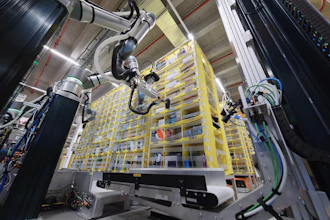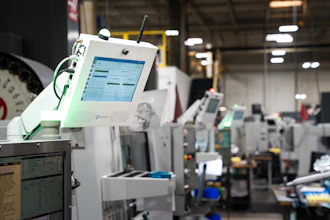
Inventory management software is designed to track inventory changes in real-time. Whenever stock is received, transferred to another location, or sold, the change is recorded in the software and stock levels are updated automatically. Inventory management software is designed to answer key questions like:
- Which items do we have in stock?
- How much do we have in stock?
- Where is stock located?
- When should we reorder?
When every stock movement is logged, inventory management software can provide an accurate, up-to-date view of inventory levels. Nobody has to do manual stock counts to know what's on hand, and automatic alerts flag low inventory before stockouts occur.
Limitations of inventory software in manufacturing
Lack of coordination between departments
Manufacturing inventory moves across departments and production stages: it is counted, reserved, consumed, and reordered. Basic inventory software does not always connect these changes with production and purchasing, leaving teams with different versions of what is actually available.
For example, you may accept an order for 200 units because your inventory system shows enough materials in stock. But fitting the job into production could delay another order and change future material requirements. If purchasing cannot see that schedule change, it may skip a material reorder based on stock that appears sufficient.
The data is accurate in isolation, but no longer reflects what is happening across the operation.
Costs become difficult to track
Inventory management software can show you basic unit costs. But it can't tell you what a product actually costs to make, because it doesn't track things like labor, machine time, scrap, and rework.
With basic inventory management software, unit costs are usually just a purchase price or a standard cost that’s entered manually. They don’t change when a job needs more labor than expected, hits a machine breakdown, or generates more scrap than usual.
Production capacity gets overlooked
Basic inventory management software doesn't tie stock levels to capacity planning. It doesn't show you if you have the machine time, labor hours, or floor space to convert materials into finished products. So even if you have all the components needed to make a product, you can't get a reliable view of whether you can actually fulfill the order.
This can lead you to promise orders you can't deliver on time, which means absorbing costs like overtime, pushing back other runs to make room for an order, or paying a co-packer to complete the job. It can also mean turning down work you could have actually taken on.
No visibility into future demand
Inventory software can tell you what's in stock right now, but it has no way to anticipate what a future order or production run will need. It reacts to shortages once they're already happening, rather than forecasting them in advance. Manufacturers, however, also need to know what upcoming orders and production runs will require.
This is especially important when finished products are made from multiple components with different lead times. A stock level may look healthy today, but future demand can quickly create shortages once planned production is factored in. Basic inventory systems often cannot cascade demand through a bill of materials (BOM), account for supplier lead times, or show when a component will run short before production starts.
Moving beyond inventory management software
If you're a small manufacturer with a handful of products and a short list of jobs, basic inventory management software might be all you need to manage stock.
However, most manufacturers outgrow inventory management software as they scale. An SMB-oriented manufacturing ERP is the next step, connecting inventory to the rest of the business. This gives each department access to the information they need to make informed decisions.
When every department uses the same system, it can see stock changes in real-time, and can see how information from other departments impacts their own tasks, your entire operation runs more smoothly. Orders are less likely to slip, shortages are less likely to surface as a crisis on the shop floor, and unit costs reflect actual production.
To learn more, visit www.MRPeasy.com.