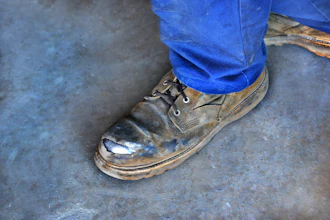
In manufacturing, logistics, industrial engineering and distribution, performance pressure is not limited to executives in glass offices. It stretches across the entire operation, from overnight machine operators to regional leadership teams responsible for deadlines, labor management, and profitability.
Long shifts, travel demands, workplace injuries, and constant production targets can gradually wear people down. In many industries, conversations about burnout and mental health are finally becoming more direct because employers are seeing how stress and substance use can affect safety, morale, retention and long-term operational performance.
Ocean Ridge Recovery is a Southern California treatment center that provides individualized addiction and mental health care for professionals, executives, and adults seeking a more private and supportive recovery environment. The organization offers detox support, residential treatment, dual-diagnosis care, and specialized executive programming designed to help working professionals continue addressing career responsibilities while receiving treatment.
Pressure Across Every Level
Industrial work environments often reward endurance. Employees who show up early, stay late, travel constantly, or push through exhaustion are frequently viewed as dependable leaders. Over time, though, that culture can create serious blind spots around stress, sleep deprivation, alcohol misuse, prescription stimulant dependency, or unhealthy coping habits.
On factory floors, fatigue can increase the likelihood of workplace accidents, equipment mistakes, and communication breakdowns. In leadership positions, the risks can look different but still carry major consequences. Decision-making slows down, conflict management deteriorates, and strategic thinking becomes reactive instead of focused. Even highly successful professionals can find themselves operating in survival mode for years before recognizing the toll it has taken.
Industries tied to production and distribution also tend to normalize stress because pressure is treated as part of the job. Employees may fear appearing weak if they admit they are struggling. Executives may avoid treatment because they believe stepping away will damage their reputation or disrupt operations. Unfortunately, waiting until a crisis occurs usually makes recovery more difficult, both personally and professionally.
Changing Workplace Culture
Many employers are beginning to recognize that untreated mental health and substance use concerns are not isolated personal issues. They can influence turnover, insurance costs, workplace culture, absenteeism, and even customer relationships. That shift in perspective has led more companies to explore wellness programs, confidential support systems, and treatment partnerships for employees at multiple levels of an organization.
Programs like Ocean Ridge Treatment & Recovery reflect this broader change in how treatment is being approached for professionals. Instead of focusing only on stabilization, executive-focused recovery programs often incorporate structure, privacy, career awareness, and long-term relapse prevention planning. This matters for professionals who cannot simply disappear from their responsibilities for months at a time.
According to information provided by Ocean Ridge Recovery Executive Treatment Programs, executive treatment options may include accommodations for work communication, business continuity concerns, and individualized therapeutic support. That flexibility can reduce one of the biggest barriers professionals face when considering treatment in the first place.
The broader workplace conversation is changing as well. Employers are starting to understand that people do not suddenly become ineffective overnight. Problems often build gradually through stress accumulation, untreated anxiety, physical exhaustion, isolation, and unhealthy coping patterns that worsen over time.
Recovery Beyond Detox
One of the biggest misconceptions surrounding treatment is the idea that recovery begins and ends with sobriety. In reality, long-term stability often depends on rebuilding routines, stress management skills, sleep habits, nutrition, physical wellness, and emotional resilience.
That is one reason many modern treatment programs place greater emphasis on whole-person care. Physical movement, therapy, nutrition support, mindfulness practices, and peer connection are increasingly viewed as part of sustainable recovery rather than optional add-ons.
For professionals working in physically demanding or high-pressure industries, rebuilding physical health can be especially important. Burnout frequently shows up through chronic fatigue, inflammation, disrupted sleep, irritability, and declining concentration. In some cases, people begin relying on alcohol, stimulants, or sedatives simply to manage daily performance expectations.
The connection between exercise and mental health has also become a larger part of recovery conversations because structured movement can support emotional regulation, stress reduction, and long-term routine building. For many professionals, treatment is the first time in years they have stepped away from constant operational pressure long enough to recognize how depleted they had become physically and emotionally.
Recovery programs that address both mental and physical health often help individuals build routines they can realistically maintain once they return to work. That long-term planning matters because sustainable recovery depends heavily on what happens after treatment ends.
“Ocean Ridge Treatment Center is the BEST Facility I have been to; their state of the art treatment methods and Pristine environment provide an excellent, safe and productive place for recovery.” - Josh
Leadership Under Strain
Substance use in executive environments often looks different from public stereotypes. A leader may still attend meetings, close deals, manage teams, and maintain outward success while privately struggling with exhaustion, dependency, or emotional instability. In many cases, high achievement actually delays intervention because colleagues assume everything is under control.
That dynamic can create ripple effects throughout an organization. Leaders influence morale, communication standards, and workplace culture. When stress becomes unmanaged at the top, entire teams can begin operating in reactive and unhealthy ways.
This is one reason specialized executive rehab programs continue expanding nationally. Executives and business leaders often need treatment settings that recognize privacy concerns, licensing issues, professional reputations, and workplace obligations without minimizing the seriousness of addiction or mental health conditions.
“Ocean Ridge Treatment & Recovery exceeded my expectations in every way.” - Tom O.
Industrial sectors are especially vulnerable to these challenges because leadership roles frequently involve travel, high financial pressure, staffing shortages, and nonstop availability. Many professionals become accustomed to functioning in a constant stress state, which can make unhealthy coping patterns feel normal over time.
Treatment providers working with executives increasingly focus on practical reintegration strategies as well. Returning to work after treatment requires more than motivation alone. It often involves setting boundaries, restructuring routines, reducing chronic stress exposure, and improving communication habits that contributed to burnout in the first place.

Long-Term Performance
Companies spend enormous amounts of money trying to improve productivity, retention, and operational performance. Yet many organizations still underestimate how deeply mental health and substance use influence all three.
Employees perform better when they are physically healthy, emotionally stable, and supported through periods of stress. Leaders make better decisions when they are rested, clear-headed, and functioning sustainably instead of running on pressure and adrenaline alone.
The industries that adapt fastest to this reality will likely have an advantage in retention and workplace culture over the next decade. Younger workers, in particular, are increasingly evaluating employers based on wellness support, flexibility, and psychological safety rather than compensation alone.
That does not mean workplaces are becoming softer. If anything, industrial environments remain extremely demanding. The difference is that more organizations are beginning to recognize that long-term performance cannot exist without long-term health.
From frontline operations to executive leadership, substance use and burnout can affect nearly every layer of an organization. As more companies confront the connection between wellness, safety, and performance, treatment programs designed for professionals are becoming a larger part of the conversation. For many workers and leaders, recovery is not about stepping away from ambition. It is about making sure ambition does not come at the expense of health, stability, and the ability to keep building a sustainable future.