Gotec Plus Sun LLC pleaded guilty to illegally storing hazardous waste at its facility in Williamstown, Kentucky. The company's sentence included a $275,000 fine and a one-year probation term.
On March 30, the court sentenced Natalie Fehse, the former general manager of the Gotec facility, to five years of probation, including a special condition of 10 months of home confinement, and a $5,000 fine for her role in the illegal storage of hazardous waste.
“Companies that cut corners by accumulating hazardous wastes — such the hundreds of drums of flammable and toxic solvents hidden around the site in this case — rather than disposing of them properly endanger communities, workers, and first responders,” said EPA’s Assistant Administrator for Enforcement and Compliance Assurance Jeffrey A. Hall.
Gotec, a Delaware company, produced parts for the use of manufacturing vehicles in Williamstown. As part of the production process, it applied coatings and adhesives to metal parts and generated hazardous waste, including spent solvents listed under the Resource Conservation and Recovery Act (RCRA).
RCRA establishes a comprehensive cradle-to-grave program to regulate the generation, transportation, treatment and disposal of hazardous wastes to protect human health and the environment. It prohibits the storage of hazardous waste at industrial facilities for extended periods of time without a permit.
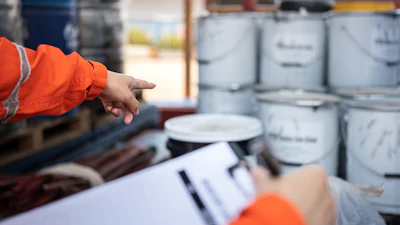
According to court documents, on June 27, 2024, the Kentucky Department of Environmental Protection conducted an inspection at Gotec’s plant and discovered semi-trailers, shipping containers and an abandoned warehouse containing 249, 55-gallon drums of hazardous waste and approximately 27 cubic yards of hazardous waste stored in cardboard, wooden crates and yellow totes.
Gotec admitted that between January 2022 and November 2024 it did not properly dispose of all the hazardous waste it was generating, including hazardous waste that had been accumulating at the facility since 2022.
The company added that it stopped properly disposing of hazardous due to staffing issues and decreased revenue during the COVID-19 pandemic. Rather, it improperly accumulated and stored hazardous waste at the facility without a RCRA hazardous waste storage permit.
EPA’s Criminal Investigation Division investigated the case.