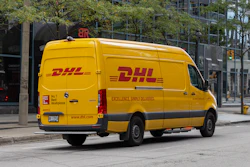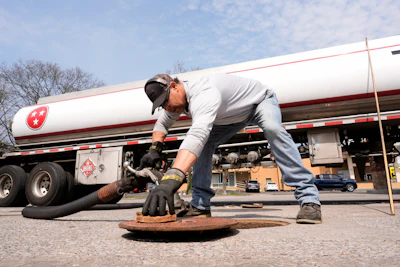
Driving a car, van or truck is a big part of many Americans' workdays. Nearly 27% of civilian workers cited driving as a physical demand of their jobs last year, according to the U.S. Bureau of Labor Statistics.
As the war enters a fifth week and continues to disrupt global oil supplies, many of those workers are now scrambling to make ends meet. The national average price for gas reached $3.99 per gallon on Monday, up 34% from a month earlier, according to AAA.
Owners of diesel-powered vehicles have seen even steeper fuel price increases since the war started on Feb. 28, affecting drivers around the world.
Drivers of diesel-powered "jeepneys" in the Philippines, went on strike for two days last week to protest their higher costs. In France, dozens of buses and trucks drove slowly on the Paris ring road Monday to demonstrate their concerns about rising diesel prices. Drivers and businesses want the French government to provide aid to mitigate the impact.
"The major difficulty right now is finding our balance on our business since we sold services with the vehicles at a certain price for diesel that was much cheaper. And we're not going to ask customers to pay that difference," Sarah Bahezre, manager of the bus transportation company Ulysse Cars, told The Associated Press.
Average U.S. diesel prices climbed 44% over the last month, according to AAA.
A few weeks ago, Rachel Hunter paid $3.62 a gallon to fill the single diesel truck used by Cactus Crew Junk Removal & Thrift Store, a Phoenix business she and her husband co-founded. The same fuel now costs $6.09 per gallon in Phoenix, according to AAA.
The truck carries all kinds of heavy cargo, from slabs of solid maple bowling lanes to loads of concrete paver tiles. So fuel costs quickly add up, Hunter said, particularly with a truck that only gets 12 or 13 miles to the gallon.
Hunter has started quoting prices that reflect the jump in prices. She worries she's in a "vicious circle" that could hurt the business if oil prices remain high.
"We don't want to get a bad name for being overpriced," she says. "I'll be able to explain it where people can understand, but it doesn't mean they can afford it."