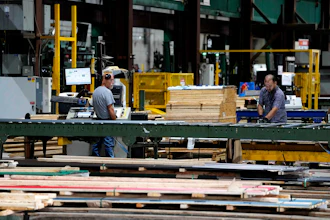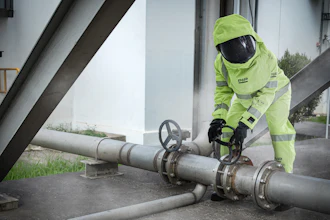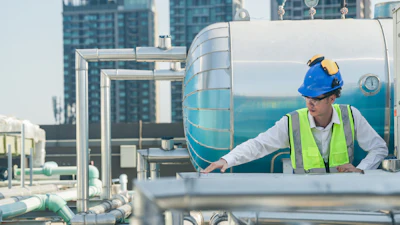
HVAC preventive maintenance in manufacturing facilities is about more than keeping a building comfortable. Heating, cooling and ventilation can directly affect production conditions, equipment reliability, indoor air quality and the working environment. When an HVAC system fails unexpectedly, the consequences can extend beyond an uncomfortable workspace to interrupted production lines and costly downtime.
For manufacturers managing multiple assets, a structured maintenance program supported by HVAC maintenance management software can make it easier to schedule inspections, record completed HVAC maintenance tasks and maintain consistent digital records across a facility. Moving away from disconnected paperwork also gives maintenance teams a clearer picture of what has been inspected, what requires attention and when the next service is due.
The aim of HVAC preventive maintenance is simple: identify developing problems before they turn into equipment failures.
Why HVAC Maintenance Matters in Manufacturing Plants
Manufacturing plants place very different demands on HVAC equipment compared with many conventional commercial buildings. Machinery can generate significant heat, processes may release dust or airborne contaminants, and some production areas require consistent temperature control.
Industrial HVAC systems may therefore operate for longer periods and under heavier loads than commercial HVAC systems in offices or retail environments.
Poor HVAC maintenance can contribute to several problems, including:
- Increased energy consumption
- Reduced system efficiency
- Poor air quality
- Inconsistent temperature or humidity
- Unexpected emergency repairs
- Shorter equipment lifespan
- Disruption to manufacturing processes
Dust and debris are particularly important considerations. When air filters, evaporator coils and other critical components become contaminated, the HVAC system has to work harder to maintain the required conditions.
A well-maintained HVAC system should therefore be considered part of the wider operational infrastructure of a manufacturing facility, not simply a source of heating and air conditioning.
How Often Should Manufacturing HVAC Systems Be Maintained?
No universal maintenance frequency fits every manufacturing environment.
A preventive maintenance plan should reflect equipment type, operating hours, environmental conditions, contaminants and how critical the HVAC system is to production.
For some manufacturing facilities, monthly HVAC preventive maintenance inspections may be appropriate. Environments containing high levels of dust or airborne material may require even more frequent attention.
Air filters are a good example. While filters in a conventional commercial HVAC installation may operate for longer periods between changes, air filters in demanding manufacturing environments may require inspection every few weeks.
A maintenance schedule could include:
- Frequent inspection and replacement of HVAC filters
- Monthly visual inspections of HVAC units
- Quarterly coil cleaning
- Quarterly inspection of belts and motors
- Checks of electrical connections
- Inspection of refrigerant levels
- Thermostat calibration
- Testing of safety controls
- Annual full system performance evaluation
Maintenance frequency should ultimately be based on the manufacturer's recommendations, operating conditions and equipment criticality rather than relying on a generic timetable.
Essential HVAC Preventive Maintenance Tasks
Effective HVAC preventive maintenance combines relatively simple routine maintenance with more detailed technical inspections.
Inspect and Replace Air Filters
Clean air filters are fundamental to both system performance and indoor air quality.
A blocked filter restricts airflow, forcing heating and cooling systems to work harder. In manufacturing plants where dust and particulates are common, filters can become contaminated considerably faster.
Regular inspection allows maintenance teams to determine an appropriate replacement frequency for each area rather than waiting for obvious deterioration in HVAC performance.
Clean Condenser and Evaporator Coils
Coil cleaning is another important element of commercial HVAC maintenance.
Dirt accumulating on condenser or evaporator coils interferes with heat transfer and can reduce system efficiency. Over time, the additional workload can increase energy costs and place unnecessary stress on HVAC equipment.
Cleaning coils as part of scheduled preventive maintenance helps maintain efficient thermal transfer and supports reliable performance during periods of high demand.
Check Refrigerant Levels
Incorrect refrigerant levels can reduce cooling performance and increase energy consumption.
Qualified technicians should check refrigerant levels and inspect the system for signs of leaks during scheduled HVAC system maintenance. Address refrigerant problems promptly rather than repeatedly topping up a system without investigating the underlying cause.
Inspect Electrical Components
Commercial HVAC systems contain numerous electrical systems and connections that require regular inspection.
Loose electrical connections, damaged wiring or deteriorating components can cause intermittent faults and eventual system failure. Preventive maintenance tasks should therefore include checking connections, controls and other electrical components according to the equipment manufacturer's requirements.
Inspect Belts and Motors
Belts, bearings and motors experience continuous wear during operation.
Routine inspections can identify cracking, unusual movement, excessive vibration or other early warning signs. Motors should also be lubricated where required by the manufacturer.
Addressing these relatively small maintenance requirements can prevent a minor defect from developing into emergency repair costs or extended downtime.
HVAC Maintenance and Indoor Air Quality
Air quality is particularly important in industrial facilities.
Manufacturing processes can introduce dust, fumes and other airborne contaminants that are less common in standard commercial buildings. Proper ventilation is therefore essential for maintaining appropriate workplace conditions.
HVAC preventative maintenance should include inspection of filters, ductwork, ventilation equipment and relevant air handling components.
Maintaining adequate airflow can help control airborne contaminants while supporting consistent temperature and humidity.
The requirements will differ throughout a facility. A production area, warehouse and office space may all require different approaches to ventilation and temperature control.
An HVAC preventive maintenance program should account for these differences rather than treating an entire manufacturing site as a single environment.
Improving Energy Efficiency Through Regular Maintenance
HVAC can represent a substantial proportion of a manufacturing plant's overall energy consumption, particularly where cooling systems or heating systems operate for extended periods.
Poor maintenance increases that burden.
Blocked filters, dirty coils, incorrect thermostat settings and deteriorating components can all cause HVAC units to consume more energy to produce the same output.
Regular maintenance can help maintain system efficiency by ensuring equipment operates as intended.
Facilities should pay particular attention to HVAC performance ahead of periods of increased demand. For example, cooling equipment should be inspected before the peak cooling season rather than waiting until temperatures rise and faults become apparent. The same principle applies to heating components ahead of the heating season.
Tracking energy consumption alongside maintenance records can also help identify unusual changes in performance. A sudden increase in consumption may indicate that an HVAC system needs investigation, even if it has not yet failed.
This creates an opportunity to move from purely reactive maintenance towards a more preventive or predictive maintenance strategy.
Preventive Maintenance Reduces the Risk of Costly Downtime
Unexpected HVAC failure can have consequences beyond emergency repairs.
Some manufacturing processes depend on controlled environmental conditions. A loss of cooling, ventilation or temperature control could affect production quality, machinery or the ability to continue operating a particular production line.
This makes equipment criticality an important factor when creating a maintenance plan.
An HVAC unit supporting a temperature-sensitive manufacturing process may warrant more frequent inspections than a unit serving a low-risk administrative area.
Maintenance teams can prioritize critical equipment based on factors including:
- Impact on production if the system fails
- Equipment condition and age
- Previous maintenance history
- Operating hours
- Environmental conditions
- Availability of replacement components
- Potential safety implications
This risk-based approach directs maintenance resources towards the systems where failure would have the greatest operational impact.
Using Digital Tools to Manage HVAC Preventive Maintenance
Managing preventive maintenance across a large industrial facility can become complicated when records are spread across paper forms, spreadsheets and separate systems.
Digital maintenance tools can help standardize the process.
A maintenance system can schedule inspections, assign work, document HVAC maintenance tasks and maintain an accessible history for individual assets. Automated work orders or scheduled notifications can also reduce the likelihood of missed routine maintenance.
Historical records become particularly useful when analyzing recurring problems.
If the same HVAC system repeatedly requires repairs, maintenance teams can review previous inspections and identify patterns. This information can support decisions about further repairs, changes to the maintenance program or eventual equipment replacement.
Digital documentation can also make it easier to demonstrate that required inspections and maintenance activities have been completed where records are needed for regulatory compliance.
Technology does not replace qualified technicians or proper maintenance procedures. Instead, it provides a more structured way to manage the information surrounding those activities.
HVAC Should Form Part of a Wider Facility Maintenance Plan
HVAC equipment does not operate in isolation. Manufacturing facilities contain numerous building systems and safety-critical assets that require inspection and maintenance.
Facility managers should therefore consider how HVAC maintenance fits into the wider maintenance plan.
For example, planned HVAC inspections may be coordinated with electrical systems, emergency lighting, ventilation equipment and fire door maintenance and inspections to reduce disruption and provide a more organized approach to facility management.
Coordinating maintenance can be particularly valuable where work requires access to production areas. Integrating scheduled tasks with production planning allows maintenance teams to select suitable windows rather than repeatedly interrupting operations.
Building an Effective HVAC Preventive Maintenance Plan
A useful preventive maintenance plan should begin with a complete inventory of HVAC equipment across the facility.
Each asset can then be assessed according to its function, condition and importance to manufacturing operations.
The maintenance plan should identify the required preventive maintenance tasks, how frequently they should occur and who is responsible for completing them.
It should also be reviewed as operating conditions change. New production equipment, different working patterns or increased levels of airborne contaminants can alter the demands placed on commercial HVAC equipment.
Maintenance records provide useful evidence for these reviews. Recurring faults, rising energy consumption or increasing repair frequency may indicate that the existing schedule needs to change.
Keeping Manufacturing HVAC Systems Reliable
Effective HVAC preventive maintenance in manufacturing facilities requires more than an annual service visit.
Air filters, coils, refrigerant levels, electrical connections, thermostat settings, motors and safety controls all require attention at appropriate intervals. The maintenance frequency should reflect the demands placed on each HVAC system and the consequences of equipment failure.
For manufacturing plants, the benefits extend beyond heating and cooling. Proper maintenance supports air quality, energy efficiency, equipment lifespan and consistent production conditions while reducing the likelihood of emergency repairs.
Combining regular maintenance with accurate digital records and a risk-based maintenance program gives maintenance teams a more structured way to manage industrial HVAC systems and identify problems before they become disruptive failures.