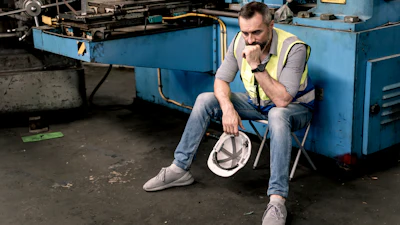
Manufacturing leadership has always carried a unique kind of pressure. Plant managers, owners, operations executives, and production leaders are expected to keep teams moving, maintain margins, solve staffing shortages, and hit aggressive deadlines without blinking. In many corners of the industry, stress is treated like part of the job description. Long hours, travel, supply chain disruptions, and constant performance demands have become normalized. That culture is starting to shift.
More manufacturing leaders are beginning to recognize that burnout, anxiety, alcohol misuse, and dependency issues can affect anyone, even people with decades of experience and strong professional reputations. The conversation around recovery is also changing. Seeking treatment is no longer viewed as a career-ending move. In many cases, it is becoming part of a larger strategy to protect long-term performance, relationships, and overall health.
Facilities like Ocean Ridge Recovery are seeing increased interest from professionals who need confidential, structured support while navigating demanding careers.
Pressure Builds Fast
Manufacturing remains one of the most demanding business sectors in the country. Leaders often oversee large teams, expensive equipment, safety compliance, labor concerns, and production targets all at once. During periods of economic uncertainty, that pressure becomes even more intense.
Many executives and business owners spend years functioning at a high level while ignoring warning signs. Sleep problems, irritability, chronic stress, and increased alcohol or substance use can slowly become part of daily life. Some professionals turn to stimulants to maintain energy during long work weeks. Others rely on alcohol at night to decompress after constant decision-making and workplace pressure.
The problem is that high performers are often very good at masking what is happening internally. They continue showing up. They continue producing results. From the outside, everything may appear stable.
Over time, though, untreated mental health conditions and substance use issues can begin affecting judgment, relationships, concentration, and physical health. In manufacturing environments where leadership decisions impact large teams and major financial investments, that decline can create serious consequences.
Recovery Without Disappearing
One reason more professionals are exploring executive rehab options is flexibility. Many people in leadership positions fear stepping away completely from work responsibilities. They worry about confidentiality, business continuity, and how treatment may affect their reputation.
Executive-focused programs are designed with those concerns in mind. According to Ocean Ridge Recovery’s Executive Treatment Program, professionals may have access to accommodations that support continued communication with work obligations while still participating in treatment programming. That can include private workspaces, technology access, and schedules structured around professional responsibilities.
For manufacturing executives, that balance matters. Many oversee facilities, employees, or operational systems that cannot simply pause for thirty days. Knowing there are treatment environments built around discretion and career realities can remove one of the biggest barriers preventing people from getting help.
There is also growing recognition that recovery is not a sign of weakness. In many cases, it reflects strong self-awareness and long-term thinking. Leaders who address mental health or substance use concerns early are often in a better position to protect both their businesses and personal lives.
Mental Health Matters
Stress-related mental health concerns are becoming harder for companies to ignore. Anxiety, depression, burnout, and emotional exhaustion are affecting workers across nearly every industry, including manufacturing.
At facilities like Ocean Ridge Treatment & Recovery, treatment plans often address both mental health and substance use together because the two are frequently connected. Someone may begin drinking heavily due to chronic stress or unresolved anxiety. Another person may experience worsening depression after years of work-related pressure and poor sleep.
“If you or someone you love is struggling with dual diagnosis, I cannot recommend Ocean Ridge enough. From the moment I called, I was safely taken into the hands of an extremely thorough, professional, compassionate team.” - Kristin
Integrated care has become increasingly important because treating only one side of the problem rarely produces lasting results. Mental health support may include individual therapy, group counseling, trauma-informed care, and wellness-focused approaches designed to improve emotional regulation and long-term coping skills.
This matters for professionals who are used to operating in survival mode. Many executives have spent years suppressing stress rather than processing it. Recovery environments that focus on both performance sustainability and emotional health are gaining traction because they address the full picture instead of only the visible symptoms.
In manufacturing leadership roles where decision fatigue is constant, mental clarity can become one of the most valuable assets a person has.
The Opioid Problem
The manufacturing industry has also been affected by America’s broader addiction crisis. Workplace injuries, chronic pain, and physically demanding schedules have contributed to increased exposure to prescription pain medication in some sectors over the years.
That reality has played a role in rising concerns surrounding opioid addiction among professionals and skilled workers alike.
According to national public health data, opioid-related deaths and dependency rates continue affecting communities across the United States. While public attention often focuses on unemployment or homelessness, many people struggling with dependency maintain careers, families, and financial stability for long periods before seeking help. That includes executives and managers.
High-functioning dependency can remain hidden for years, especially among professionals who are accustomed to maintaining control in high-pressure environments. Unfortunately, the longer treatment is delayed, the greater the physical and emotional risks may become.
Recovery centers that provide medically supervised detox services, individualized treatment planning, and ongoing therapeutic support are becoming increasingly important for professionals seeking a structured path forward.
“Ocean Ridge Treatment and Recovery has been a saving grace for me. I’m sitting here thinking about the last 45 days and it has been nothing but a great experience!” - Amanda K.
For manufacturing leaders, addressing these issues proactively can also protect workplace safety and long-term organizational stability. Leadership health directly affects company culture, communication, and decision-making quality.
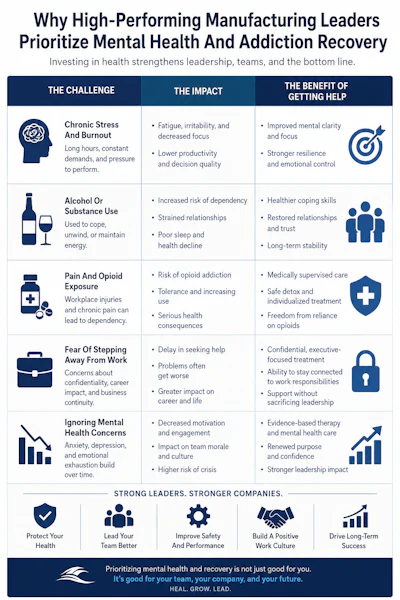

Changing Workplace Culture
The old mentality in manufacturing often rewarded people for pushing through everything. Exhaustion was worn like a badge of honor. Admitting stress or emotional strain was frequently viewed as a liability. That mindset is slowly evolving.
Companies are becoming more aware that untreated mental health concerns can affect productivity, retention, safety, and morale. Younger professionals entering leadership positions are also more open to discussing stress management and emotional health than previous generations.
Recovery conversations are becoming less taboo because the business consequences of ignoring these issues are becoming impossible to overlook.
Leaders who seek support are increasingly viewed as people making responsible decisions rather than personal failures. That cultural shift may encourage more executives to address problems before they spiral into crises affecting their careers, families, or health.
Manufacturing remains a demanding industry. That reality is not changing anytime soon. What is changing is the growing understanding that sustainable leadership requires more than endurance alone.
High-performing manufacturing leaders are beginning to recognize that mental health and recovery support are not separate from professional success. In many cases, they are directly connected to it. As confidential, executive-focused treatment options continue expanding, more professionals are choosing to address stress, burnout, and substance use before those issues begin affecting every area of life.