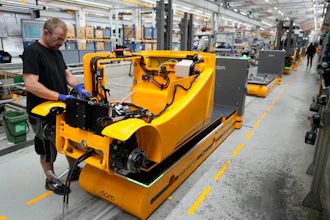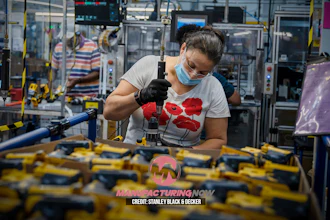
High-vibration industrial environments demand cable protection beyond conventional methods. Mechanical fatigue degrades protective layers, loosens connections and creates friction points that cause intermittent discharges. Electromagnetic interference from motors and drives corrupts unshielded signal lines. Rigid metallic conduits amplify these threats by accelerating material degradation under dynamic loads while restricting heat dissipation.
The Hidden Cost of Mechanical Fatigue in Factory Automation
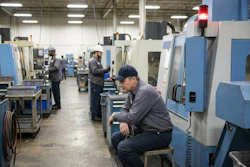
Modern factory floors subject electrical infrastructure to relentless physical stress. Persistent machinery operation, robotic cycles and conveyor vibration create environments where maintaining signal and power integrity becomes critical. Mechanical fatigue threatens cable systems because damage accumulates gradually until catastrophic failure occurs.
How Constant Vibration Degrades Cable Components
Continuous mechanical stress produces microscopic wear that weakens protective layers over time. Each vibration cycle subjects cables to flexing and compression forces that gradually compromise the integrity of electrical conduit materials. Microfractures develop in the outer jacket, allowing moisture and contaminants to penetrate the inner layers. Insulation becomes brittle and loses its dielectric strength, while wire strands experience strain hardening and heat generation.
Fire Hazards Associated with Metal Bracket Chafing
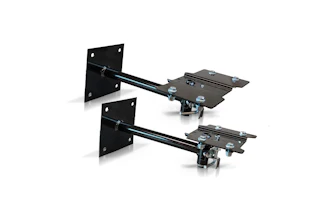
Vibration-induced friction between cables and metal support brackets creates acute safety risks. When cables rub against rigid metal mounting points during machinery operation, repeated abrasion wears through protective jackets and exposes conductors. Metal-on-metal contact under continuous vibration can generate intermittent discharges and fire hazards that threaten facility safety.
Progressive conductor exposure increases arc potential, while abraded insulation, metal dust and electrical discharge create ignition conditions that fire suppression systems may not detect until flames appear.
Navigating Electromagnetic Interference on the Factory Floor
Industrial automation environments generate complex electromagnetic interference (EMI) fields that overlap and interact throughout the facility. Variable frequency drives modulate power delivery to motors, producing harmonic distortions that radiate into adjacent spaces. High-current switching events produce transient electromagnetic pulses.
Sources of EMI and Signal Distortion
Rotating magnetic fields from heavy motors induce currents in nearby conductors, while variable frequency drives produce high-frequency switching noise across broad spectral ranges. Power distribution lines carrying hundreds of amperes create electromagnetic fields that penetrate cable management conduits routed in parallel.
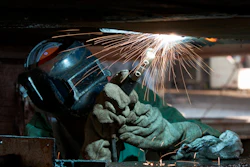
Welding equipment generates intense localized electromagnetic bursts. When signal cables traverse these zones without adequate isolation, electromagnetic coupling introduces noise that corrupts transmitted data.
The Importance of Effective Cable Shielding
Proper electromagnetic shielding requires multiple defense layers working in concert. Metallic braids or foil wraps surrounding conductors intercept electromagnetic fields before they couple with signal-carrying wires. Insulation materials with specific dielectric properties minimize capacitive coupling between adjacent circuits.
Research confirms that without these barriers, transient discharges coupling with cables corrupt data transmission and create measurement errors that propagate through control systems. Shielding effectiveness depends on material selection and maintaining shield continuity through connectors and terminations.
The Limitations of Traditional Rigid Metallic Conduits
While electromagnetic shielding addresses interference threats, the conduit material itself introduces additional vulnerabilities. Rigid metal conduit systems have served industrial facilities for decades based on their structural strength and established installation practices.
However, modern automated manufacturing exposes fundamental weaknesses in these legacy systems. Applications involving continuous motion require fundamentally different material properties.
Accelerated Material Degradation under Dynamic Loads
Rigid materials resist flexure by distributing the load throughout their structure until the stress exceeds their mechanical limits. In high-vibration environments, the resistance concentrates force at mounting points and joints where fatigue cracks initiate. Flexible systems absorb mechanical energy through elastic deformation, while rigid industrial conduit types accumulate damage with each vibration cycle.
The metal crystalline structure suffers work hardening and embrittlement, while threaded connections loosen from repetitive loading, and welded joints develop microcracks that propagate until structural failure occurs.
Restricted Heat Dissipation and Current Capacity Reduction
Metal conduits create thermal management challenges that compound mechanical failures. When cables generate heat through resistive losses, that thermal energy must dissipate to prevent insulation degradation.
Rigid metal enclosures restrict airflow around conductors while the conduit itself conducts heat away slowly. The thermal trap effect elevates cable operating temperatures, which reduces safe current-carrying capacity. Ultimately, mechanical fatigue and thermal stress accelerate insulation breakdown.
Adopting Flexible Polymer Solutions for Harsh Environments
Advanced flexible polymers represent a fundamental shift from vibration resistance to vibration absorption. Modern polymer conduit systems accommodate motion while protecting enclosed conductors.
Suppressing Vibration with Advanced Flexibility
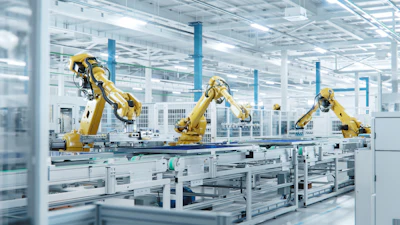
Corrugated flexible conduit designs allow continuous multi-axis movement without inducing stress concentrations. The polymer structure flexes elastically through millions of cycles while maintaining dimensional stability. This flexibility drastically reduces strain on cable terminations at interfaces between stationary equipment and moving machinery. Robotic applications benefit from conduit systems that bend, twist and extend without developing the fatigue failures that plague rigid alternatives.
Improving Environmental Defenses and Longevity
Modern polymer formulations address chemical-exposure risks on factory floors. Oils from hydraulic systems, coolants from machining operations and cleaning solvents create hostile chemical environments. Liquid-tight non-metallic flexible conduit made from specialized materials provides effective defense.
Aeros USA notes that polyamide formulations designed for industrial applications demonstrate superior performance. Notably, polyamide provides chemical resistance while maintaining self-extinguishing flame characteristics.
According to Aeros USA, “You can also find liquid-tight flexible electrical conduit made of polyamide rather than PVC, adding resistance against oil, benzine, acid and solvents and flames. Polyamide conduit can even self-extinguish, making it ideal for industrial machines, robotics and other demanding applications.”
These polyamide conduit systems, paired with specialized fittings and strain-relief components, form integrated cable protection assemblies. This modular configuration provides continuous mechanical defense, strain mitigation, and ingress protection across demanding cable routing paths.
Frequently Asked Questions
The following questions address common concerns engineers encounter when specifying cable protection for demanding applications.
How does vibration cause signal loss in industrial cables?
Vibration degrades signal integrity through two primary mechanisms. First, mechanical stress loosens terminal connections, increasing contact resistance that attenuates signal amplitude and introduces noise. Second, repetitive flexing damages shielding layers through work hardening and crack propagation. Electromagnetic interference then couples with signal conductors and corrupts transmitted data.
Why are traditional metal conduits failing in automated robotics?
Robotics requires continuous multi-axis movement, subjecting cable protection to complex dynamic loading. Traditional rigid metallic conduits accelerate material degradation under dynamic loads because they resist rather than accommodate motion.
This resistance concentrates stress at mounting points where fatigue cracks initiate and propagate until structural failure occurs. Flexible protection tubes suppress vibration transmission and survive repetitive motion that destroys rigid alternatives.
What makes polyamide superior for high-impact environments?
Polyamide combines exceptional mechanical strength with extreme flexibility across wide temperature ranges. The material maintains structural integrity under impact loading that would crack or shatter alternative polymers.
Chemical resistance prevents degradation from oils, solvents and acids present in industrial settings. Self-extinguishing flame characteristics prevent fire propagation along cable runs. These properties deliver service life that substantially exceeds traditional PVC or rigid metal systems.
As Aeros USA notes, “Light, flexible and easy to fit, corrugated plastic conduit is used in many industries. When plastic flexible conduit is made with polyamide, it becomes even more versatile.” The polymer’s heat resistance and other valuable properties make it “a viable option for demanding industries such as rail and transit, HVAC, manufacturing and robotics.”
Future-Proofing Industrial Infrastructure
Understanding the interplay between vibration, EMI and material selection enables more resilient system design. Addressing these factors proactively prevents catastrophic failures that generate unplanned downtime and compromise safety. Modern automated systems require protection strategies engineered for dynamic environments.
Engineers should audit existing cable management installations to identify locations where vibration levels exceed protection system capabilities. Consulting with specialized suppliers provides access to application-specific guidance in areas like material selection, routing strategies and installation techniques that maximize longevity while minimizing failure risk.