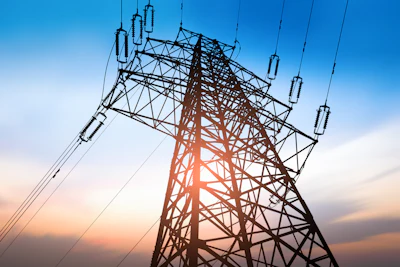
Electricity interruptions are on the rise across the United States, new research conducted by the Energy Information Administration (EIA) has suggested. In fact, figures published in the EIA’s Electric Power Annual 2024 report revealed that electricity customers throughout the U.S. witnessed 11 hours of power outages on average during 2024.
This number stands out even further when the EIA also disclosed that there were around four hours of electricity interruptions per year on average between 2014 and 2023. As a result, last year saw almost twice as many power outages as the average recorded each year for the past decade.
DCC Propane, a partner for providing propane for generators, has looked at the problems encountered by manufacturers whenever they are faced with electricity interruptions around their business.
Power Outage Disruptions
This new EIA report is concerning, as power outages can cause so much disruption to a business. A single electricity interruption runs the risk of powering down operations and causing production line processes to fall out of sync, resulting in a loss of material and profits.
Donna McGinnis, Director of Marketing at Briggs & Stratton Energy Solutions, echoed this last point when stating in an article that up to $1 million of manufacturing losses can be recorded during each hour that production is disrupted by a power outage.
Of course, electricity interruptions can occur for a wide variety of reasons. When the American Public Power Association analyzed data obtained from its eReliability Tracker, for instance, it found that among the top ten causes of the almost 74,000 sustained electrical outages it recorded in 2023 were from:
- Damage caused by trees and other storm or weather-related problems.
- Equipment issues.
- Problems caused by squirrels, birds, and other wildlife.
- Electrical failures.
- Times when planned procedures were scheduled to replace grid equipment.
Limiting Disruption
Manufacturers can try to be prepared for instances when a power grid failure affects their business. One solution is to always keep critical devices and systems fully charged, so that they can remain in use on a production line during a blackout.
This solution will only be a temporary measure though, with the level of disruption likely to build the longer an electrical interruption lasts. Instead, manufacturers throughout the U.S. should be making efforts to implement these two long-term solutions around their facilities as soon as possible:
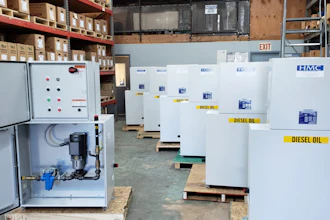
- Onsite Generators. Whenever electricity is interrupted, onsite generators make for a fantastic source of backup power. Many hospitals and other essential services across the nation always ensure they have at least one on standby, so that procedures can be kept in operation even when power is lost. This is because backup power generators do not need electricity to function. Instead, they receive their power from a dedicated fuel source, which can be propane, diesel, natural gas or gasoline depending on the type of equipment selected.
- Portable Power Stations. Another way to keep electrical equipment running around your manufacturing site when there is a blackout is with a portable power station. These reliable tools can quickly deliver high levels of power to your business’s critical devices and lighting arrays, without the need for fuel. Once they have been used during a power outage, you can then either choose to have your portable power stations recharge by using solar panels or by connecting them to the onsite generators that we mentioned a little earlier.
Businesses throughout the U.S. need to realize the prospect of experiencing more power outages. This point was emphasized by the Department of Energy, when it recently warned that blackouts may increase by 100x by the year 2030 if reliable power sources continue to be shuttered and extra firm capacity fails to be added to the nation’s energy array.
By having equipment such as onsite generators and portable power stations in place around facilities, manufacturers should be able to limit just how much disruption they face with their operations and production line processes every time an electrical interruption is recorded.