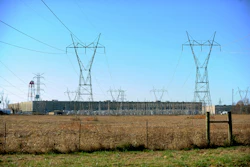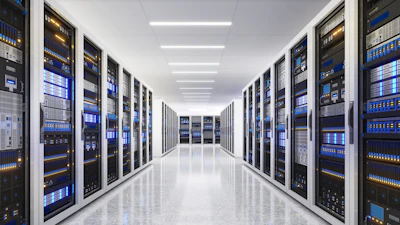
Environmental services provider Veolia has been selected by a major project developer to operate and maintain a 350-megawatt microgrid that will power an AI data center campus near New Albany, Ohio. The energy project will provide 100% of the power without relying on the traditional electric grid.
The microgrid will integrate gas engines, linear generators, battery energy storage systems and medium-voltage infrastructure into a coordinated energy platform supporting continuous AI operations. Veolia will oversee operations integration, commissioning support and long-term plant operations. The facility will also require a dedicated 24/7 on-site workforce.
By combining on-site generation with large-scale battery storage, the microgrid delivers power while reducing pressure on public electricity networks and preserving grid capacity for local communities. It also enables developers to accelerate speed-to-power without waiting years for traditional grid interconnection.
Key project metrics include:
- 350 MW generation capacity
- 430 MWh battery energy storage system
- 99.9% availability target
- 35-40 full-time on-site personnel
“Our work on this project shows how Veolia can help developers accelerate speed-to-power while maintaining the reliability required for mission-critical AI operations, all while protecting the community,” Veolia Energy North America CEO Karin Hamel said.
Veolia was brought into the project before commercial operations to support startup readiness, operating procedure development and coordination among multiple contractors and original equipment manufacturers operating under compressed construction timelines.
As AI accelerates demand for electricity, water and other resources across the U.S., developers of data centers face growing challenges securing power on the timelines required. According to Lawrence Berkeley National Laboratory, new power projects spend an average of nearly five years in U.S. interconnection queues. To accelerate time-to-power, developers are increasingly investing in private generation, battery storage and microgrids capable of operating independently from the electric grid.