Nearly eight in 10 factory workers say they have learned about policy changes, procedure updates or safety protocols only after those changes had already gone into effect, according to new research from Firstup.
For The Communications Crisis in Manufacturing report, Firstup surveyed 1,000 U.S. factory workers to understand how communication breakdowns on the frontline impact everything from onboarding to safety, compliance, workforce retention and overall operations.
Despite a majority of frontline workers (72%) receiving workplace updates at least once a week, critical messages are not getting through, and the consequences are far-reaching:
- Nearly one in five workers (19%) have missed a safety protocol or hazard update and 14% have missed OSHA or compliance-related information. Nearly three-quarters (71%) have experienced production or safety issues due to miscommunication from a manager or senior leader, including production delays and quality issues (29%), errors in operating equipment (19%) and workplace injuries or near-misses (12%).
- Nearly four in five workers (77%) have experienced workplace issues such as burnout, disengagement or decreased teamwork as a result of miscommunication from leadership. About one-fifth (21%) say poor communication has made them want to leave their current facility and 15% say it has made them want to leave manufacturing entirely.
- More than half of workers (58%) say the updates they receive are only "somewhat relevant" or not relevant at all and 48% admit to skimming or ignoring updates at least sometimes, even when they suspect the information is important.
- Managers and supervisors are the top source of workplace information for frontline workers (48%), followed closely by email (47%), which is not easily accessible during a shift. More than one in four workers (28%) still rely on paper notices or bulletin boards – a reminder that the communication infrastructure on many factory floors remains fairly low-tech despite the industry push for automation.
“Factory workers are simply not getting the critical information they need to do their jobs safely and effectively," Firstup CEO Bill Schuh said. "Managers, the single most relied-upon communication channel on the floor, are being asked to deliver important messages at scale without the right tools, processes or skills. When communication breaks down, the impact is significant: injuries, production delays, poor labor relations and workers walking out the door. Equipping leaders to communicate more effectively with their frontline is a business imperative.”
Automation blind spots leave workers in the dark
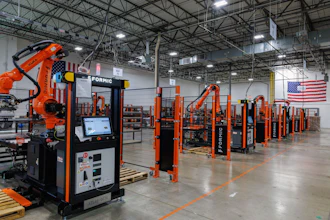
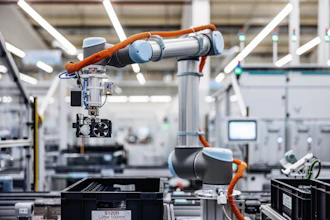
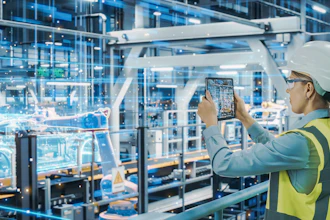
The same communication breakdowns affecting safety, productivity and retention are also undermining manufacturers' digital transformation efforts. As automation and AI reshape factory operations, workers are increasingly being expected to embrace technologies they have not been equipped to understand or use.
Fear of replacement is widespread, with 54% of frontline workers concerned about automation replacing their role, yet organizational support is noticeably lacking. In fact, "new technology, automation or AI tools" ranks last when workers rated how supported and informed they feel by their employer. Just 28% feel fully supported through these technological transitions, compared to 46% or higher across safety, quality and scheduling.
Access and training gaps contribute to the problem. Nearly half of workers (49%) never use AI in their role at all, and among those who rarely or never use it, 53% say it is because they do not have access. Another 11% have access but no training. Still, more than a third of workers believe that AI could improve their productivity (36%) or efficiency (35%).
“When manufacturers fail to communicate clearly about how these new technologies work and what they mean for workers' futures, they deepen existing skills gaps, fuel fear, erode trust and give workers one more reason to leave at exactly the moment facilities can least afford to lose them,” Schuh said. “Successful digital transformation ultimately boils down to change management. Manufacturers need to think beyond simply deploying technology and instead bring workers along in understanding why it matters and when and how to use it.”