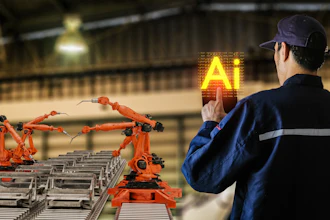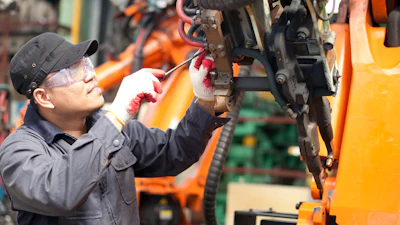
Heavy machinery manufacturers are building some of the smartest products on the market: Equipment that can predict maintenance needs, optimize fuel efficiency and learn from real-time data leveraging AI technology.
Yet, those same manufacturers’ websites often look stuck in time. They are slow, disconnected from their business systems and lack the modern, AI-enabled features and personalization capabilities available today.
How Manufacturers Are Using AI
Leading equipment manufacturers like John Deere and Caterpillar have invested heavily in artificial intelligence over the past decade.
But John Deere, Caterpillar and other early adopters are no longer miles ahead in the AI race. Almost every OEM has followed suit. Today’s equipment doesn’t just run; it sees, thinks and solves.
Manufacturers have proven they can harness AI in incredible ways to make their machines smarter, safer and more efficient. However, that same intelligence and optimization mindset has not made it to their digital storefronts.
Where Websites Fall Behind
For all the innovation happening inside the machines themselves, many manufacturers’ websites are lagging decades behind.
According to the most recently published Equipment Manufacturers Digital State of the Industry Report, “The equipment manufacturing industry has historically been slow to test the waters in the digital world, but each year that passes, we see more and more dive in.”
Yet despite progress, the report shows that a large portion of the industry still treats its digital presence as a checkbox rather than a business driver.
- Product Recommendations - Less than half (43%) of equipment manufacturers use AI product recommendation tools.
- Interactive Features - Only 21% of manufacturers offered any type of “Build Your Own” tool and just 16% use chatbots.
- Dealer Portals - The report found “less than half of the manufacturers surveyed had a dealer portal on their websites.”
The Cost of the AI Gap
Looking to other industries that have been faster to adopt digital technology, you can easily see the pattern of those who lagged behind becoming obsolete.
Here’s what that drag will look like in practice for heavy equipment manufacturers:
- Lost efficiency vs. intelligent automation: Manual quoting and fragmented sales tracking keep teams stuck in reactive mode, while AI-enabled workflows automatically generate quotes, predict parts needs and sync dealer data across systems in real time.
- Lost opportunity vs. guided selling: Traditional websites stop at product listings. AI-powered experiences personalize recommendations, surface compatible parts and adapt to buyer behavior creating a self-serve B2B experience that feels personal.
- Reputation disconnect vs. digital credibility: A manufacturer that markets itself on innovation but runs on an outdated site sends mixed signals.
- Competitive risk vs. market leadership: While slow adopters chase manual data entry and spreadsheet reporting, digital-first competitors are already using AI to identify trends, improve conversions and capture market share faster.
How AI Can Power a Smarter Website
The next wave of innovation isn’t about building smarter equipment. It’s about building smarter digital ecosystems that connect dealers, customers and data in real time.
AI can already power:
- Predictive product recommendations that mirror buyers’ interests or past purchases.
- Intelligent search tools that understand intent, not just keywords, surfacing the right specs or parts faster.
- Conversational agentic AI and quoting assistants that guide visitors to the right configuration, generate instant estimates and pass qualified leads directly to sales.
- Analytics and insights that reveal how customers navigate, compare and buy, helping teams identify friction points and optimize for conversion.
It’s not just about convenience, it’s about competitiveness. A site that learns and adapts will outperform one that simply displays information.
Innovation in Action
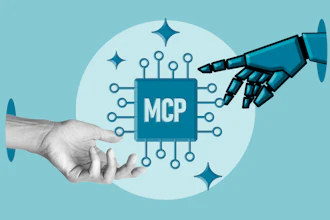
The Eagle Crusher MCP (Model Context Protocol), developed by Above The Fray, is one example that demonstrates how AI can modernize the way manufacturers make their data discoverable, accessible and accurate for emerging tools.
MCP servers give large language models (LLMs) clear instructions on how to use specific types of APIs, ensuring the AI retrieves real-time, authoritative information directly from the source; not outdated web pages or third-party distributors.
For Eagle Crusher, a company building complex rock-crushing machines, this matters. Their equipment relies on a wide range of spare parts, and, historically, that knowledge has lived with distributors. But today, more buyers across all generations turn to AI assistants for answers and purchasing decisions.
The MCP proof of concept changes that dynamic. It enables an LLM to:
- Identify the correct replacement parts for a specific machine
- Check live inventory availability
- Provide direct URLs to the right products
- Allow a user to log into the store and add the items to their cart
Because MCP doesn’t depend on the model crawling product pages, the information is accurate, structured and always up to date.
The result is a future where AI assistants stop guessing and start pulling directly from the manufacturer’s own data systems to solidify the brand, not distributors or marketplaces, as the primary source of truth.
"It’s important for Eagle Crusher to keep product and parts data accurate and easily findable because with the growth of AI data scraping, outdated and inaccurate information will leave customers looking elsewhere, not only for replacement parts, but for whole new products,” Eagle Crusher VP of Marketing Dan Friedman said. "Plus, ensuring your data is shown in full context reduces mistakes compared to when information is stitched together by AI tools from multiple different sources.”
Taking a Measured Approach to AI
 Caitlin AroninAbove The Fray
Start by auditing what’s already in place, focus on real user experience, modernize your architecture and test AI through small, measurable projects. Most importantly, find partners who understand your industry and can help you integrate innovation without disrupting what already works.