GROTON, Conn. — Nimbus Power Systems today announced the successful completion of shock and vibration tests on an advanced, gravity-independent fuel cell technology. The tests simulated the anticipated mechanical loads, including launch, for NASA’s upcoming Artemis crewed missions to the Moon. The fuel cell met all performance targets throughout the tests, demonstrating the system’s structural and operational readiness for future flight integration, according to the company.
Fuel cells react oxygen and hydrogen to produce electricity, heat, and potable water, three vital resources for crewed space operations. Nimbus' water management technology removes product water via a combination of capillary and hydraulic forces that are uncompromised by the space environment. This water management advantage decreases system complexity and offers significant mass savings, resulting in more reliable and affordable space operations.
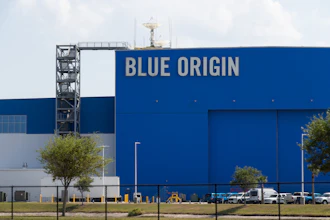
“These test results reflect the successful collaboration between Blue Origin and Nimbus Power Systems on advanced Polymer Electrolyte Membrane (PEM) fuel cell technology specifically tailored to space applications,” said John Couluris, senior VP of lunar permanence at Blue Origin. 'We continue to leverage the latest advances in Nimbus’ terrestrial fuel cell technology to accelerate Blue Origin’s in-house fuel cell solutions for in-space and lunar products."
Blue Origin currently licenses Nimbus Power System's fuel cell technology for its Blue Moon Lunar Lander program and other space applications. NASA will use the Blue Moon lander for its Artemis campaign to safely send astronauts from lunar orbit to the Moon’s surface and back for expeditions on the lunar surface.
Nimbus develops fuel cell systems for the heavy-duty mobility, aerospace, and stationary power markets. The company primarily provides high-efficiency replacements for heavy-duty engines currently serving these markets.